Egyptian Bazaar
Since cities are famed for their markets, shopping is a big part of every vacation! Because of this, the Egyptian Bazaar has a unique perspective on how to describe Turkish…
The Egyptian Bazaar in Istanbul is particularly significant and has a unique aesthetic!
Is there anything better than traveling to foreign markets and shops and discovering their carefully arranged goods with distinctive colors and varied shapes, whether they be spices, handicrafts, sweets, glassware, antiques, or the international brand stores emitting the scent of expensive perfumes from their corners?
A vacation would be incomplete without some shopping, especially if you were in Turkey and had access to Istanbul's marketplaces. They can take many different shapes, from conventional bazaars to contemporary malls, and the Egyptian Bazaar stands out as one of Istanbul's most well-known markets. It has a distinctively nostalgic charm because of its historical significance dating back to the Byzantine era. When it was still known as Marco Anvalos, it offered the residents all of the basics and essentials.
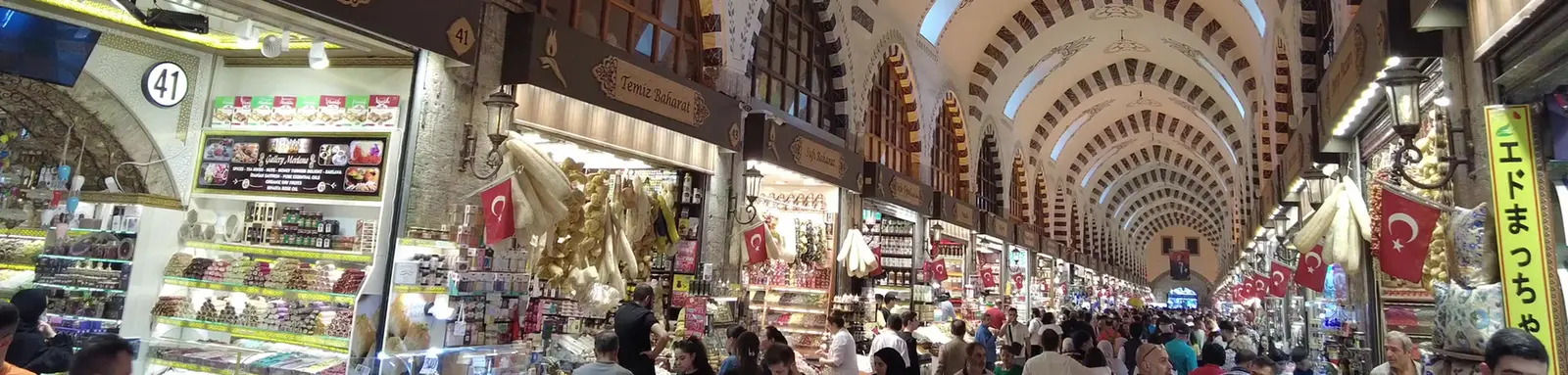
The Egyptian Bazaar in Istanbul exhibits fine craftsmanship with a distinctive character because to its vaulted roof design and incorporation of many then-current architectural styles, which even today ooze inventiveness and beauty in its creation.
Where in Istanbul is the Egyptian Bazaar?
In Istanbul's European section, in the Aminonu neighborhood, on the other side of the port, and very close to the New Mosque, is where you'll find the Egyptian Bazaar.
6 Features That Will Inspire You to Visit Istanbul's Egyptian Bazaar
The Egyptian Bazaar in Istanbul is a fascinating location that provides you with a wealth of things to do while you are there, enhancing your journey with varied intricacies and distinguishing qualities. The most well-known characteristics include
1. The Egyptian Bazaar in Istanbul, one of the oldest Turkish commercial markets, attracts attention from tourists as if it were created for a classic film or television show because of its covered roof with arches that resemble an architectural and creative masterpiece. Visitors' eyes are captured by this distinctive heritage.
2. The Egyptian Bazaar is conveniently situated in the center of Istanbul, making it accessible from many locations, particularly those on the European side of the city.
3- The bazaar offers a wide range of goods and inventions, each with a certain charm of its own. The most well-known products from Turkey include spices, jewelry, and keepsake presents.
4- The Egyptian Bazaar in Istanbul transcends language barriers because even if you understand Arabic, you won't get lost. Many merchants are native speakers of both English and Arabic, thus neither a translation nor a trustworthy dictionary are necessary.
5- Visiting the Egyptian Bazaar in Istanbul gives you the chance to explore other surrounding historic locations, including the Spice Bazaar, Suleymaniye Mosque, Gulhane Park, and Aminonu Port.
6- There are other unique hotels nearby, allowing visitors who want to spend more time discovering the Egyptian Bazaar's specifics in Istanbul to return to one of these exceptional hotels for their stay.
What Should I Purchase at the Egyptian Bazaar?
The majority of visitors are anxious to learn about the unique things offered at the Egyptian Bazaar before going there so they may save time and go right there. In fact, the majority of the goods that this historic market sells are renowned for their excellence and originality. The most well-known products are:
- Spices and herbs.
- Roses and jasmine flowers.
- Various types of dried fruits.
- Authentic Turkish baklava.
- Turkish coffee.
- Olive oil soap.
The Egyptian Bazaar's Name: The Justification
Some people may be perplexed as to why Egypt is referenced in the name of one of Istanbul's most renowned markets. But there is a significant justification and historical context for calling the market the "Egyptian Bazaar." It dates back to the time of the Ottomans, who imposed taxes on the Egyptian city.
Egyptian taxes were used to build this historic bazaar, giving it the moniker "Egyptian Bazaar."
Tours that take you here and around
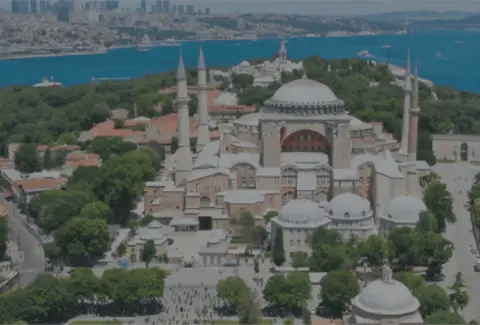
Istanbul Old City Tour
After breakfast at the hotel, we will head to the Old City to visit the most important tourist attractions in Istanbul. We will begin with the Sultan…
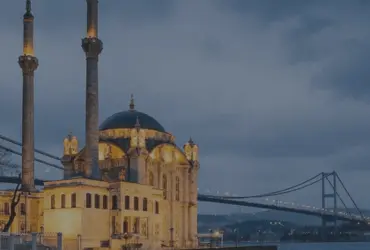
Bosphorus and Surrounding Areas Tour
After breakfast at the hotel, we embark on an exciting sightseeing tour that takes us through the enchanting locales surrounding the Bosphorus. Our…
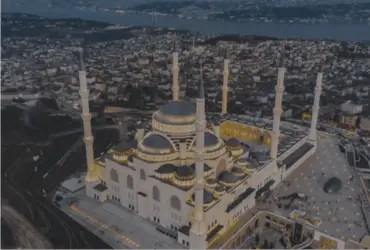
Istanbul Asian Tour
After breakfast at the hotel, we embark on a captivating sightseeing tour to explore Istanbul "Asian Side". Our journey takes us over the Bosphorus…

Princes' Islands Tour
After breakfast at the hotel, we will go out on a captivating Princes' Islands tour. We will board the ship at 10:30 AM, heading to the Asian side of…

Yalova Tour
After breakfast at the hotel, we go on a tour to Yalova city to visit the Termal thermal baths and hot springs, Sodoshan Falls, and the Moving…
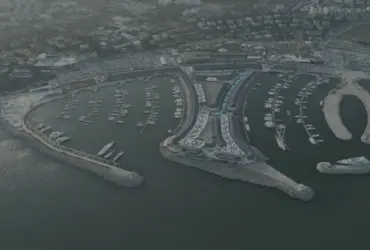
Viaport Marina Tuzla Tour
After breakfast at the hotel, we embark on a captivating sightseeing tour to Viaport Marina, Istanbul's newest marina built to international…